
A Gift from Ronald L. Steel
In the summer of 2024, the Academy received a generous gift from the estate of the late Ronald L. Steel (1931-2023), a historian, writer, professor, and the Academy’s spring 2005 Bosch Fellow in Public Policy. For more than fifty years, with a style described by the New York Times as “astringent yet sparkling,” he was “one of the nation’s most prolific critics of America’s master plans for navigating a perilous, changing world.”
Born in Morris, Illinois, Steel earned degrees from Northwestern University and Harvard before joining the Army, and later the Foreign Service, stationed mainly in Europe, where he became a French translator. Returning to the US, he worked as an editor and published essays and books, including the definitive biography of the influential American journalist Walter Lippmann, which won the National Book Critics Circle Award, Bancroft Prize, and the LA Times Book Prize for History, and was a finalist for the Pulitzer Prize. Steel received fellowships from the Guggenheim Foundation, Carnegie Endowment for International Peace, Woodrow Wilson Center, and Institute of Advanced Study in Berlin. He taught at Yale, Dartmouth, Princeton, and the University of Southern California, among others.
The Academy is deeply honored that Steel chose to include our long-term security and success in his philanthropic legacy. For more information on how to support our mission with a planned gift, please visit americanacademy.de/support
This article was published in the 2024-25 Berlin Journal.
Photo: Annette Hornischer / American Academy in Berlin
Share This
Life Without Authority
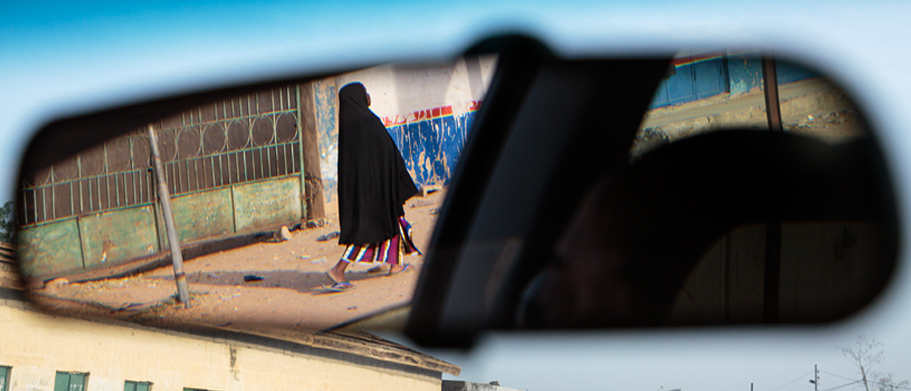
It is hard to exaggerate the devastation that Boko Haram has unleashed upon vast tracts of the northeast of Nigeria since 2009 and the horror it has wrought by attacks across the country’s Muslim north, including in major cities such as Kano, and the capital, Abuja.
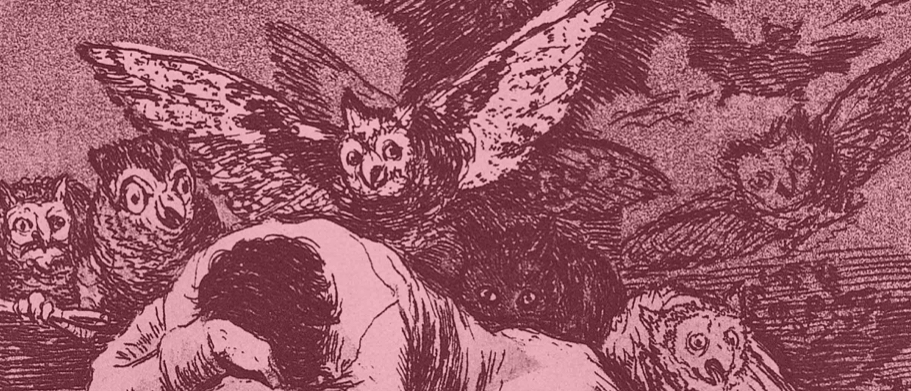
Mobilizing Fear
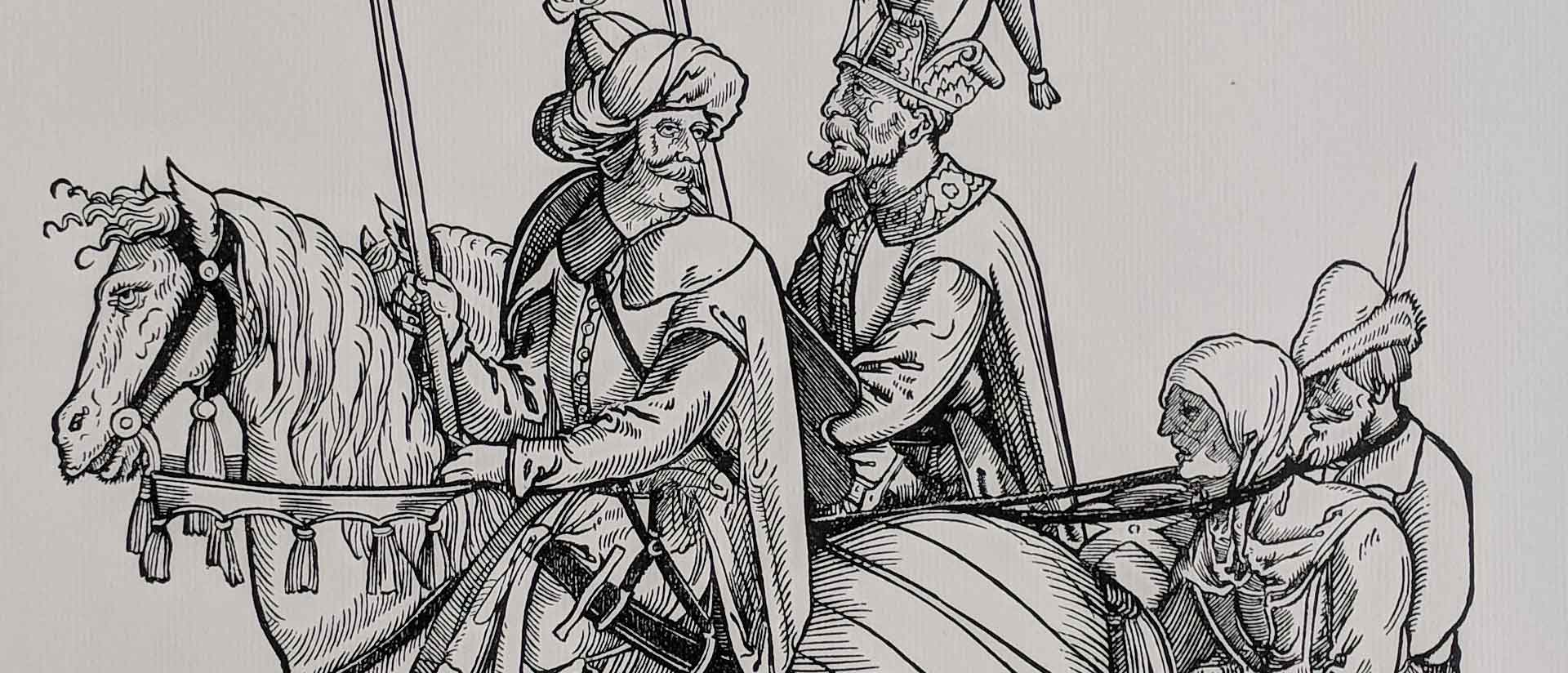
Propagandizing German–Ottoman conflict in the sixteenth century
Democratic Degeneration: Three Easy Paths to Regression
A celebrated philosopher discusses what's ailing democratic polities in the West
Nicole’s Father Is Not German
What difference does difference make?
The Great Departure : Mass Migration from Eastern Europe and the Making of the Free World
A book review of alumna Tara Zara's book about how experiences of emigration shaped competing ideals of freedom in Eastern Europe and the West.
Germany and the USA between Volk and Bevölkerung
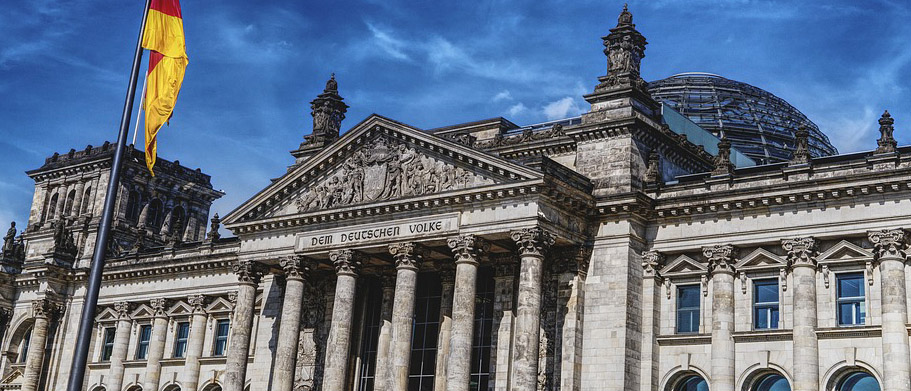
A meditation upon the differences between "Dem deutschen Volke" and "We the People."
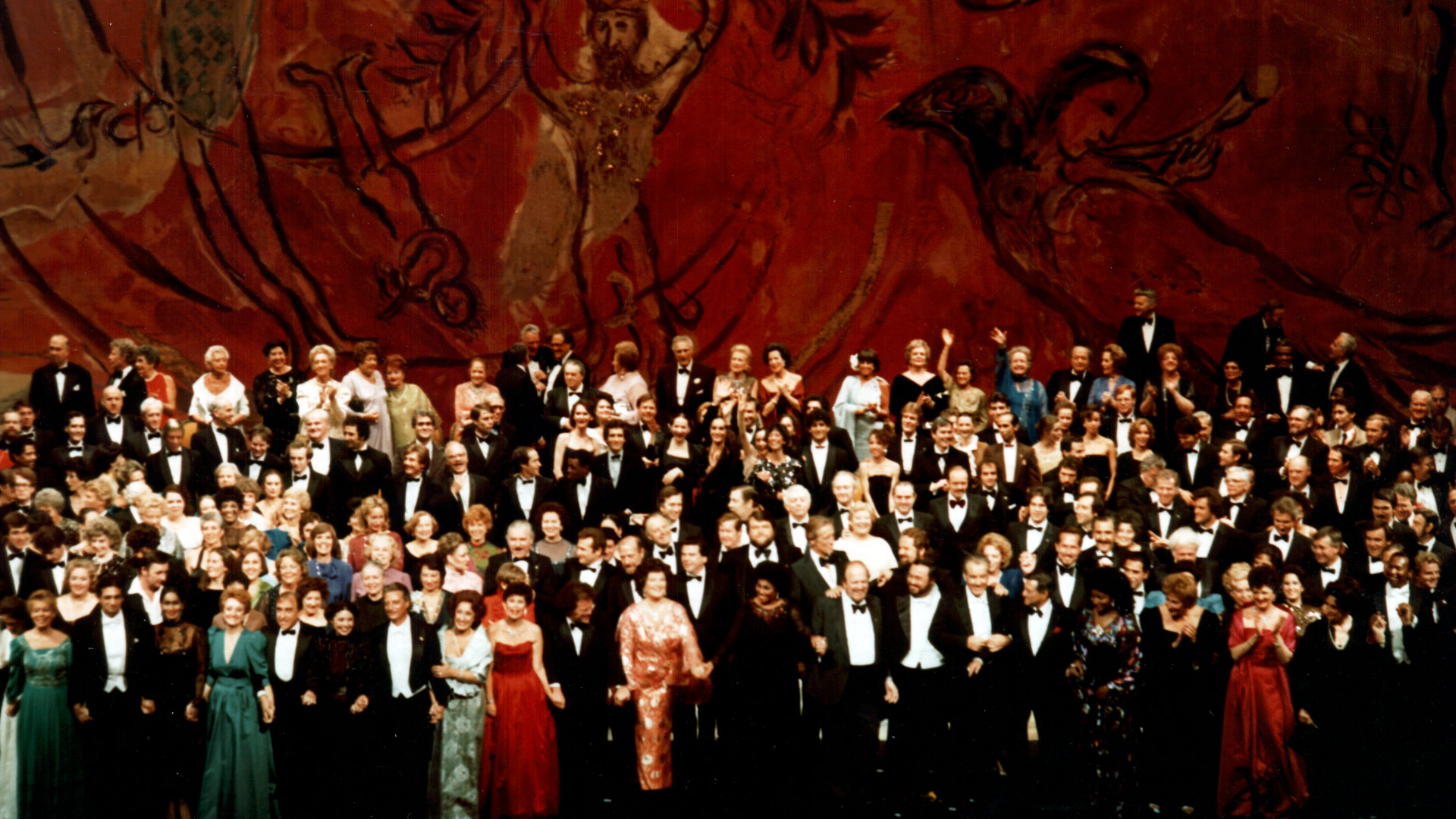
Diminuendo Lagrimoso
Tracing the decline of big opera voices
The Turks
Excerpt from a manuscript in progress.
"Han: I’m a writer.
Heike: Ahh. So we would love you in Berlin!
Han: Would you?"
The Startup Illusion
As German start-ups aim to duplicate the Silicon Valley model, our alumnus Steve Hill, in his new book Die Startup Illusion, asks if it best serves the European social model. Herewith, an exclusive essay for the Berlin Journal, derived from Hill's Introduction.
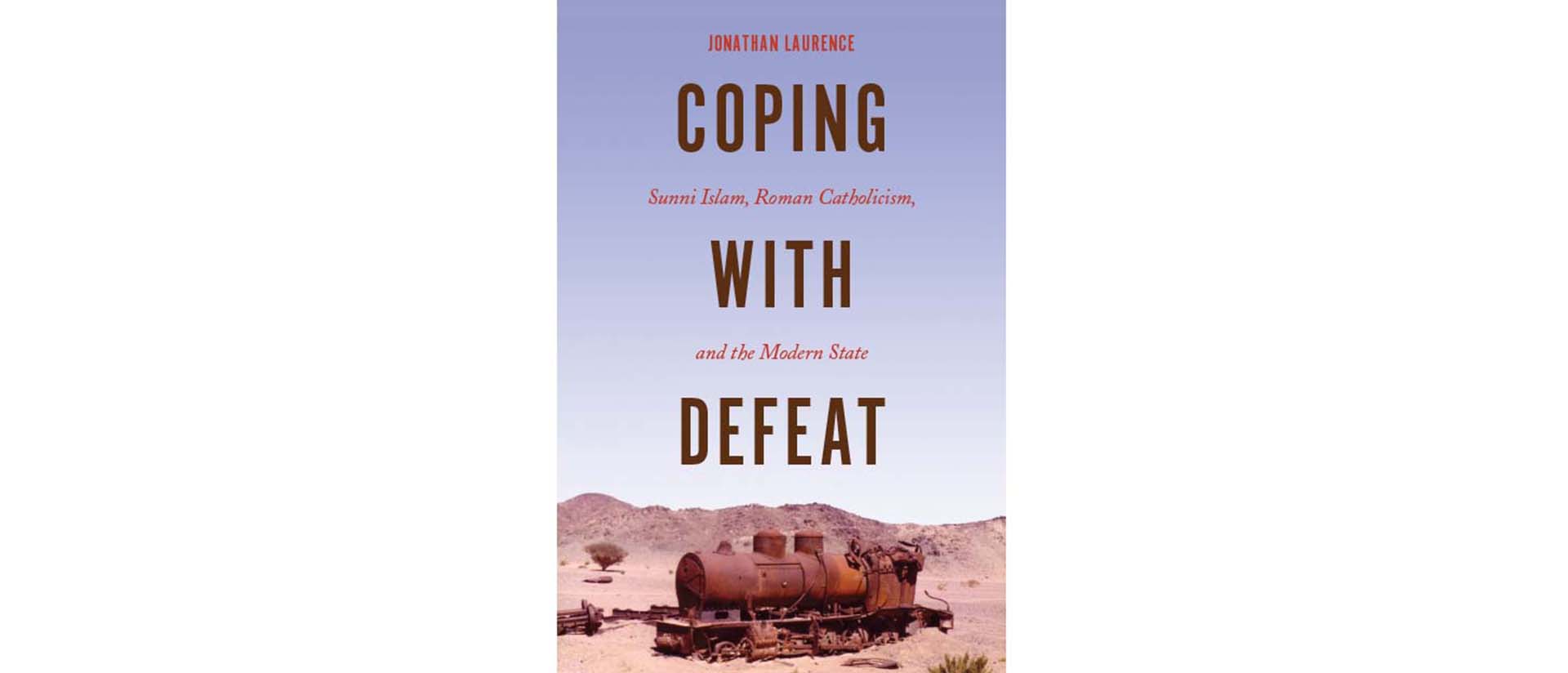
Coping with Defeat
A review by Charles Häberl
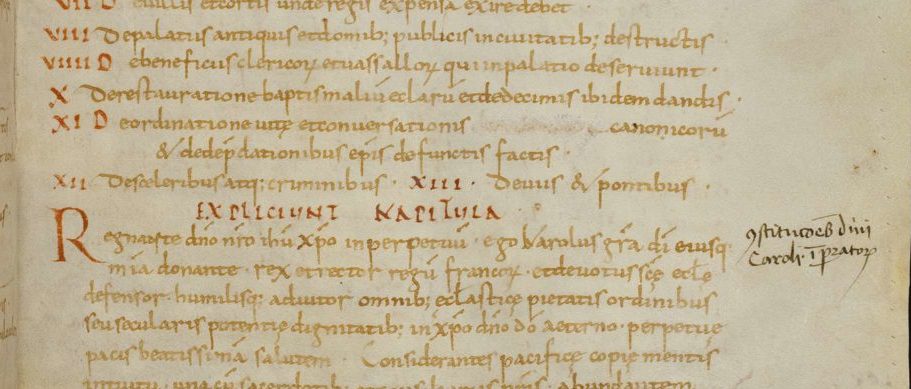
Capitularies
If we could imagine standing in Rome around the year 500 CE, as the old empire had been gradually replaced by new kingdoms, we would see a world in transition.
Out of This World

Whence Afro-German Afrofuturism?
Flughafen Tempelhof
Remembrance of things past
The Miss April Houses
The method of remembrance by committee
Locked in Place
Inequality in the new American metropolis
The Mythology of the Sectarian Middle East
Divisions within, divisions without
Beat Knowledge
We are all African, when we listen.
How to Have Sex in a Pandemic
A personal insight into the queer practices of world-making
American Democracy’s Polycrisis
The Supreme Court and the future of democracy
Land of Darkness
A writer confronts her fears in North Korea
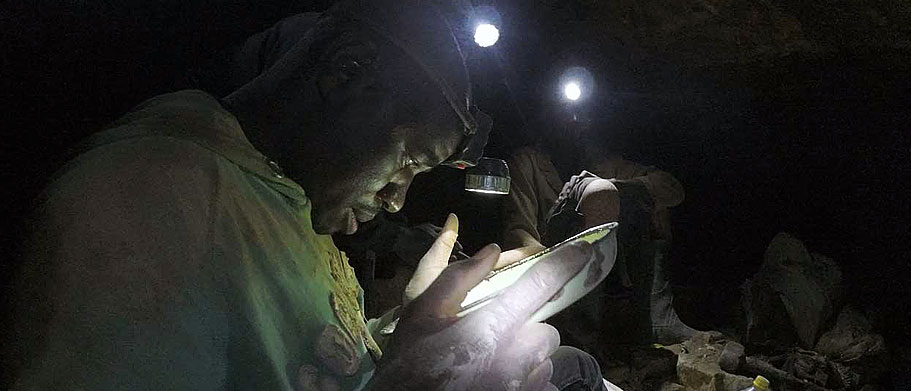
Death and the Miner
For more than a century, the gold mines of South Africa were the sparkling center of a nation. Today, itinerant migrant miners scavenge their ruins.
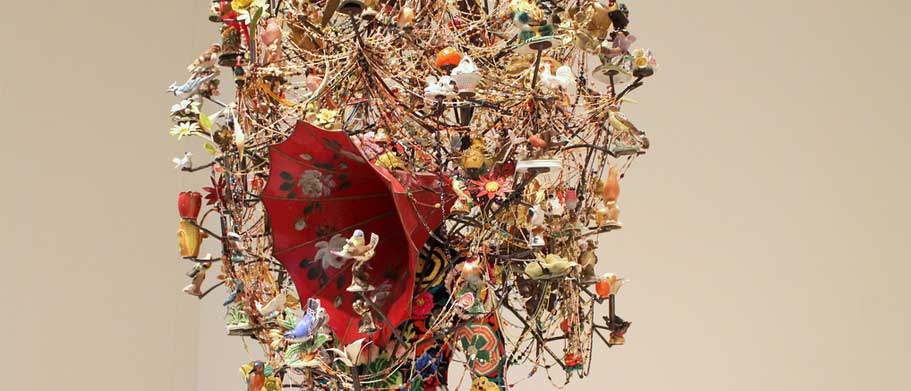
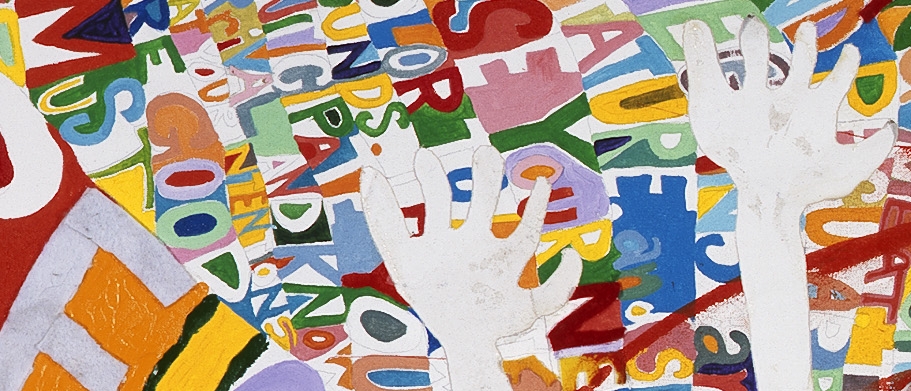
Artist Portfolio
Hancock’s intricate candy-colored prints, drawings, collaged-felt paintings, and site-specific installations work together to tell the story of the “Mounds”—bizarre mythical creatures that are the tragic protagonists of his unfolding narrative between good and evil.
The Visible Hand
Global supply chains and geopolitics
Race to the Top
Shaking up the segregated South
Culture and Revolution
Underground publishing in West Germany, circa 1968.
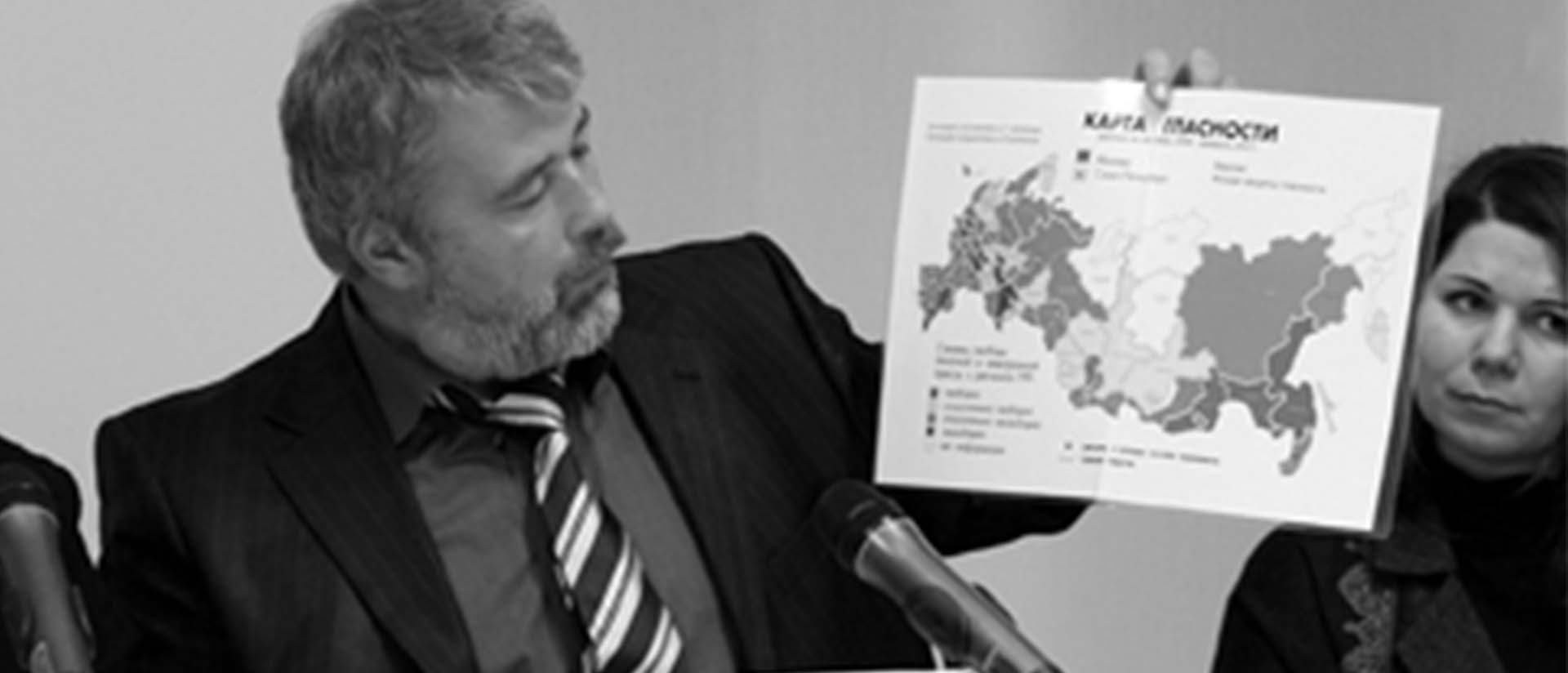
Repression in Russia
Committee to Protect Journalists presents 2007 report Sixty-five journalists were killed on the job in…
Transitioning to a Postcarbon Future
Pacific Island leaders reject the narrative of their grim environmental fate
In a Name
In this new short story, New York Times Magazine writer Thomas Chatterton Williams details writing in Paris and falling in love, having a mixed-race toddler, and time in Sweden.

Snowman
The art of evanescence
Spring 2020 Fellows Respond to Coronavirus
Thoughts on the pandemic from the Wannsee and abroad
Perm-36
An encounter with Russia's unfinished past, as told by the New Yorker's Moscow correspondent
Sui Generis
Aggression, atrocity, and the Verbrecherstaat
Performing Sound
A History of Violence
Pursuing the ghosts of the British Empire
Tracing Taint
The inexorable contamination of history
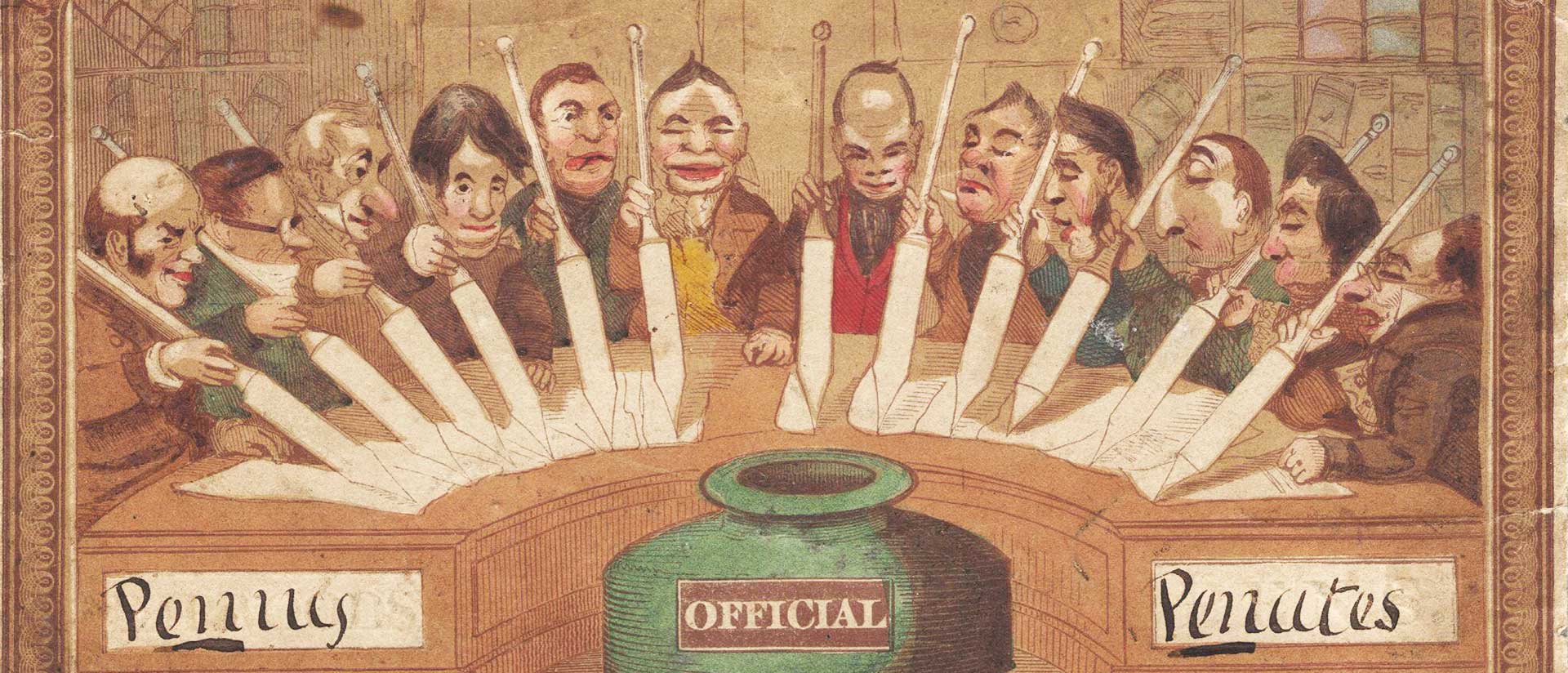
Wish You Were Here!
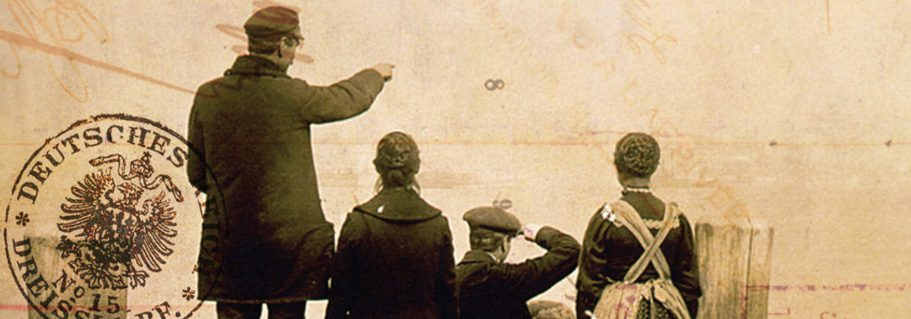
A brief history of the postal card
Impossible Proximity
How to read like Nabokov
Artist Portfolio: Lucy Raven
Artist Lucy Raven is cinematically drawn to the scientific and industrial worlds of the American West
Notes on the Virginia Capitol
Nation and race in Jefferson's America
Lemonade
Moji is a US immigration official; Mara is a Romanian woman who recently married an American. Moji is in charge of her greencard application.